




JC BITSOMANG EYE CLINIC — Healthy Eyes for a Brighter Life

Eye Disease Center

Backed by proven expertise, we safeguard your eye health with confidence

Epiphora is a treatable condition.

What is Epiphora?
What is Epiphora?
Lacrimal punctum
Lacrimal sac
Lacrimal duct
Lacrimal glands

What is Epiphora?

A state in which tears overflow and the area beneath the eye stays wet

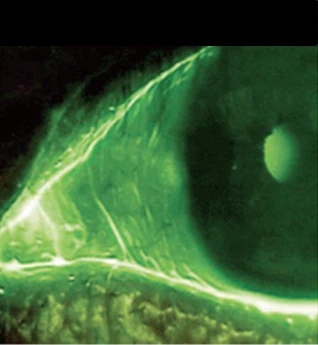
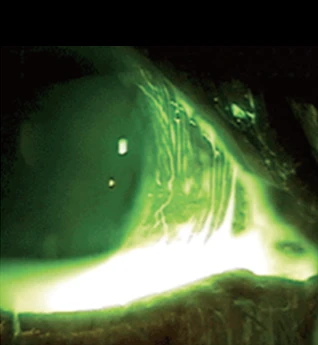
Epiphora — also known as watery eye — is the opposite of dry eye: too many tears overflow and cause discomfort. Tears spill onto the cheek and patients keep wiping the eye area, which can lead to skin eczema around the eyes. Symptoms often worsen in winter when going outdoors, disrupting daily life.

In addition, pooled tears can blur vision, and when dacryocystitis develops the lacrimal sac fills with purulent discharge — leading to heavy crusting, morning swelling, and discharge that may surface when pressure is applied around the nose.

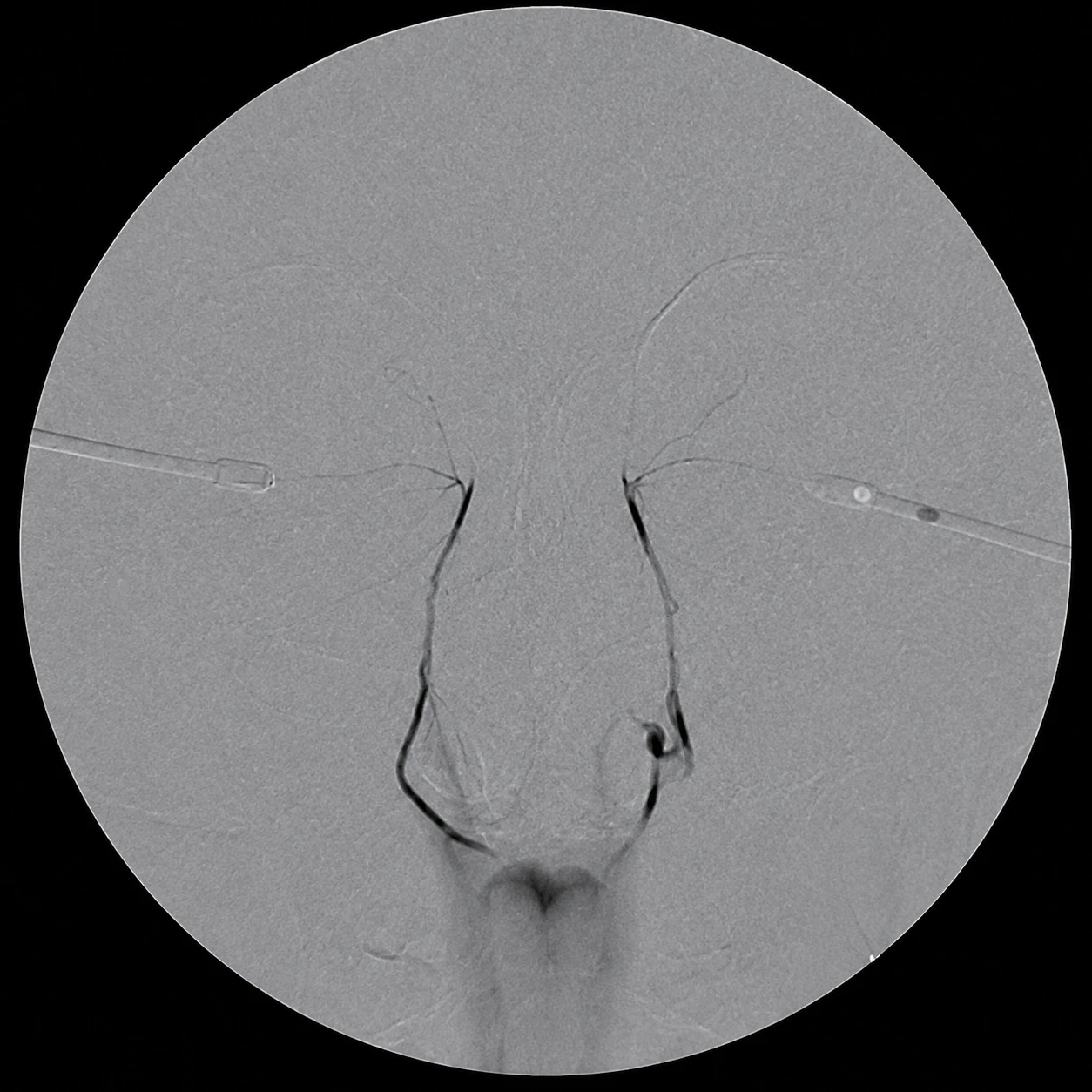
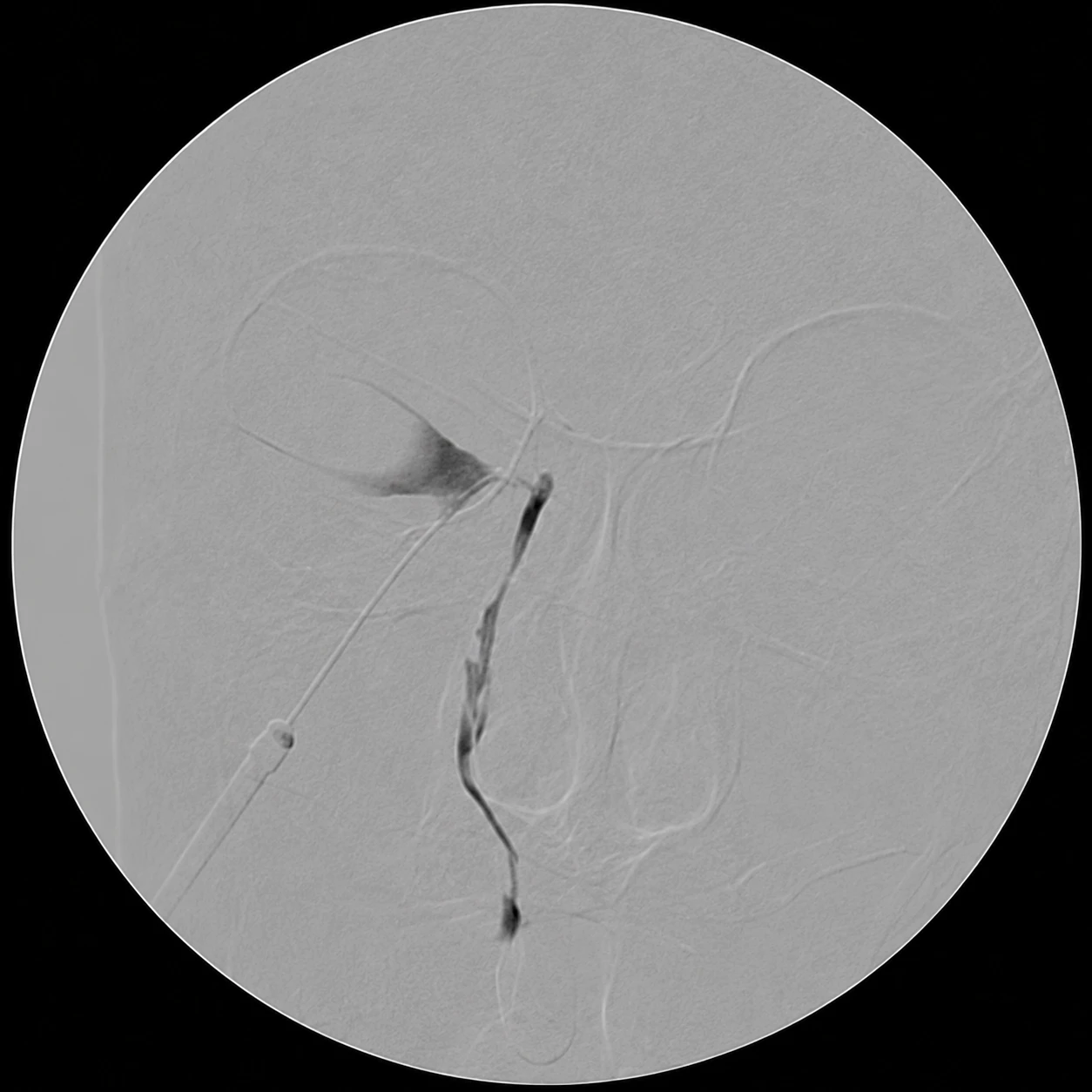
Dacryocystography (DCG) Workup

Test timeabout 5 minutes

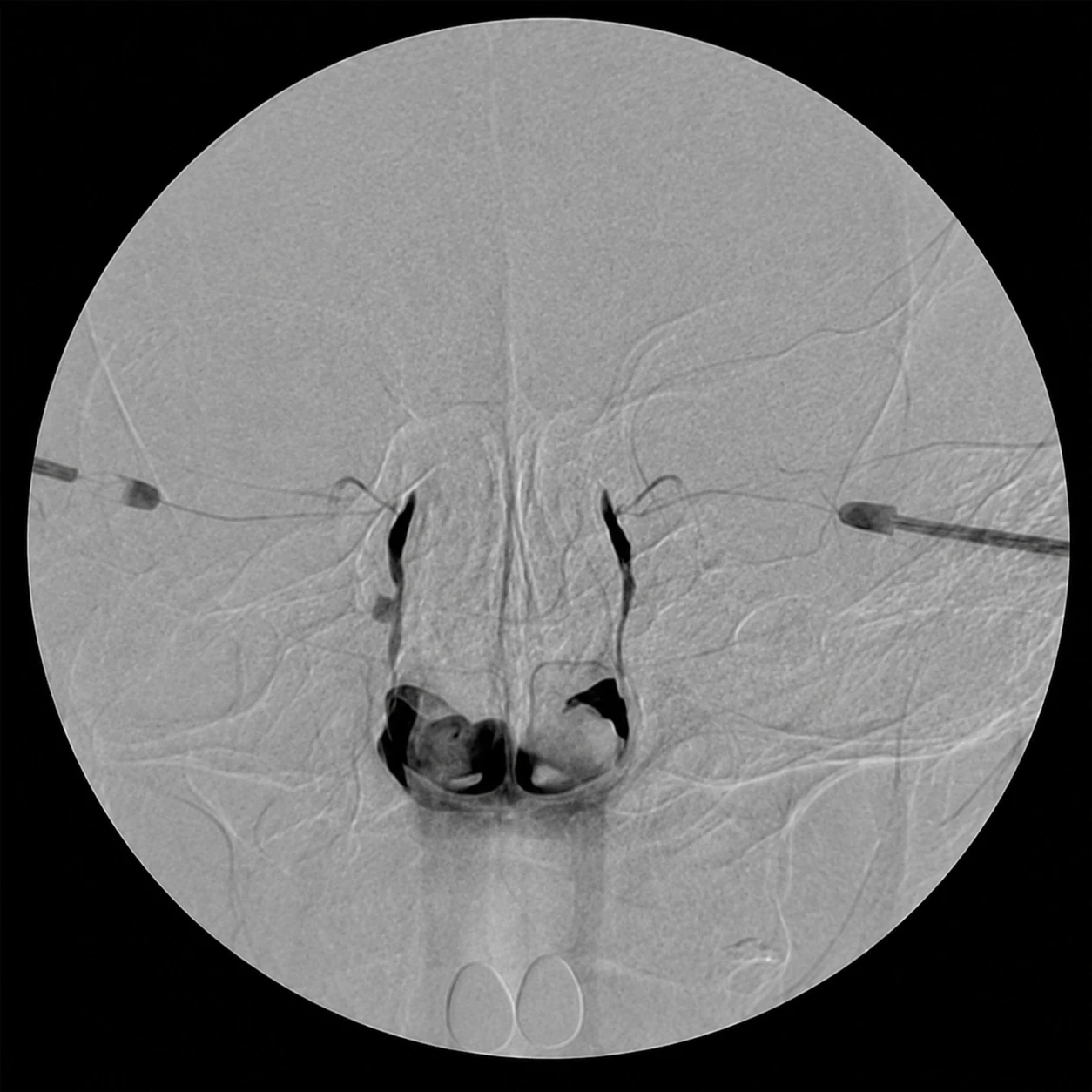
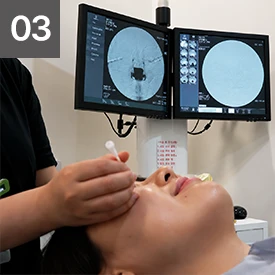
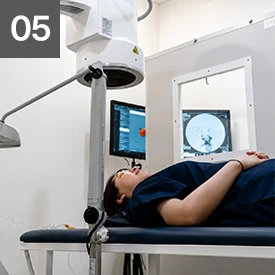
Dacryocystography uses contrast medium to directly visualize the tear drainage pathway. With a C-arm X-ray, we can confirm the location and degree of obstruction in real time.

Dacryocystography (DCG) Workup — X-ray 1
Dacryocystography (DCG) Workup — X-ray 2
Dacryocystography (DCG) Workup — X-ray 3

Next-generation lacrimal imaging with safety-focused C-arm X-ray

  • Medical questionnaire

    Medical questionnaire

  • Move to tear-test room

    Move to tear-test room

  • Test preparation

    Test preparation

  • Contrast preparation

    Contrast preparation

  • C-arm X-ray imaging

    C-arm X-ray imaging

  • Specialist consultation

    Specialist consultation

정상안
Normal eye
눈물관이 막힌 경우
Lacrimal drainage obstruction

Nasolacrimal Duct Obstruction

Tears are produced by the lacrimal gland, coat the ocular surface, then drain through the puncta, canaliculi, and nasolacrimal duct into the nose. When this drainage path narrows or becomes blocked, tears overflow and patients have to wipe constantly. In cold seasons, eyelid inflammation often develops, causing significant discomfort.

Symptoms of NLDO

Even without crying, tears overflow continuously — patients constantly wipe with a handkerchief, develop heavy crusting, and the lacrimal sac may fill with pus. Pressing the lacrimal sac area can cause foamy mucopurulent reflux through the puncta.

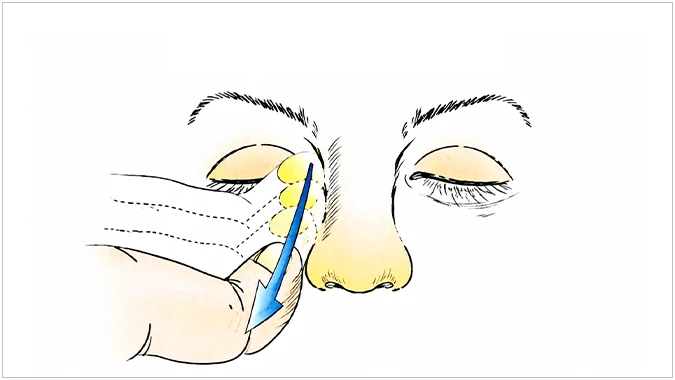
Lacrimal sac massage with antibiotic drops
Example of massage method

Lacrimal sac massage with antibiotic drops

For congenital epiphora the first-line treatment is non-surgical massage. It is mainly performed in infants under 5 months: pressing on the canaliculi with the index finger prevents reflux from the puncta while increasing pressure inside the sac and duct, which can rupture the membranous obstruction at the nasal end. When purulent discharge is severe, antibiotic drops or ointment are added. Approximately 90% of cases improve within the first 6–12 months of life.
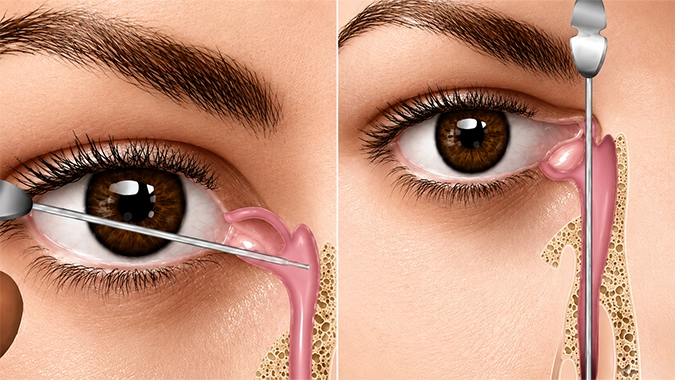
Lacrimal probing

Lacrimal probing

We examine the puncta, canaliculi, and nasolacrimal duct to identify the exact level of obstruction. A specialized syringe is inserted into the punctum to confirm whether saline reaches the nose, or a probe is used to detect the blocked segment. The treatment plan depends entirely on this finding, making it a critical examination.

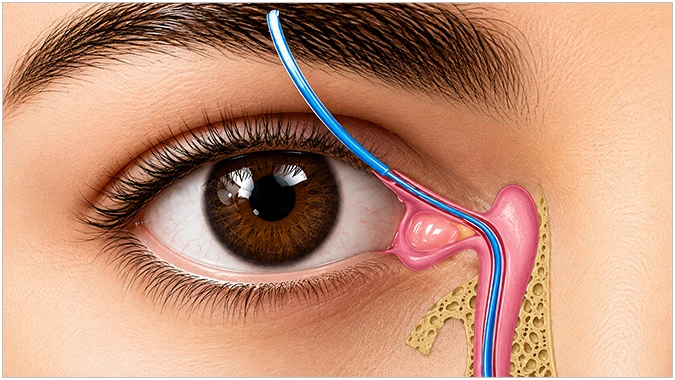
Silicone tube intubation

Silicone tube intubation

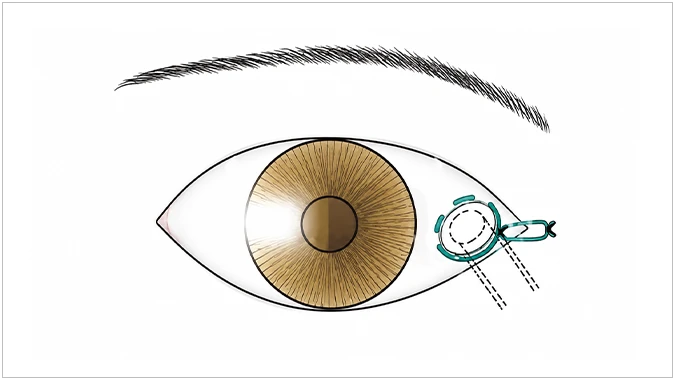
When probing fails or the duct is severely narrowed — or when the punctum itself is closed — a silicone tube is inserted through the nose into the lacrimal duct. The tube is removed after about 5 months (varies individually). Local anesthesia avoids the burden of general anesthesia, and patients can wash their face the day after surgery. In about 3–5% of cases that do not improve, a thin glass tube may be implanted to resolve symptoms.

Dacryocystorhinostomy (DCR)

Dacryocystorhinostomy (DCR)

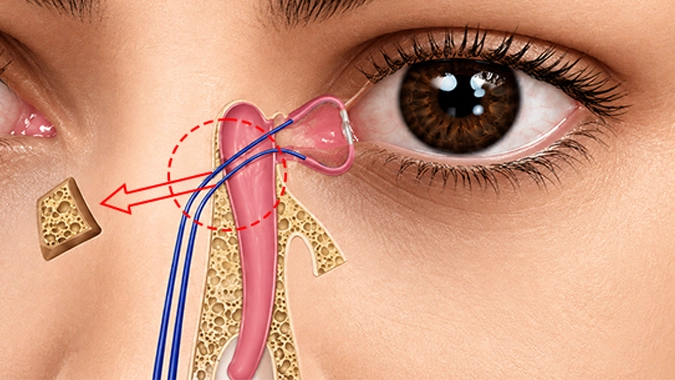
When the nasolacrimal duct is completely obstructed, DCR creates a new drainage pathway for tears to flow into the nose. A 1.5 cm skin incision is made beside the nose, the bone between the lacrimal sac and the nasal cavity is partially removed, a new opening is created, and a thin silicone tube is placed to maintain patency. The tube is later removed once healing is stable.

Conjunctivo-DCR (CDCR)

Conjunctivo-DCR (CDCR)

Indicated for severely narrowed ducts or completely closed puncta when conventional probing fails. A silicone tube is placed through the nasal route into the duct and removed after about 5 months. Local anesthesia minimizes systemic burden, and face washing is possible the next day. For the 3–5% who don't improve, a thin Pyrex (Jones) tube may be permanently placed.

Postoperative care

  • Bruising or swelling may occur after surgery. Apply cold compresses around the nose and eye area; most cases resolve within a week. Some nasal bleeding may continue for 1–2 weeks but is temporary and gradually subsides — no cause for concern.

  • After silicone tube intubation, the indwelling tube can cause inflammation. In some cases, eye drops must be used continuously until the tube is removed.

  • Avoid rubbing the eyes vigorously or blowing the nose forcefully.

  • Daily activities like face washing and showering are fine after surgery. However, public baths, saunas, and swimming pools should be avoided for 2–4 weeks (depending on healing).