


Eye Disease Center
Backed by proven expertise, we safeguard your eye health with confidence
Don't endure Dry Eye any longer.

뻑뻑함
Grittiness
이물감
Foreign body sensation
건조함
Dryness
가려움
Itching
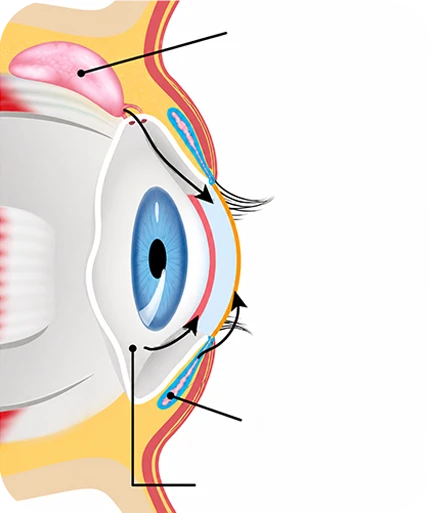
눈물샘
Lacrimal glands
마이봄선
Meibomian gland
What is Dry Eye?
A disease caused by abnormal tear film layers
Our tears consist of three layers (mucin, aqueous, lipid). With every blink the tear film coats the eye like a film. When tears are insufficient, evaporate too quickly, or the composition is imbalanced, the ocular surface becomes damaged — producing the burning, foreign body sensation, grittiness and dryness we commonly know as dry eye.
An increasingly common condition in modern life
Dry eye was once more common in women, but now chronic dryness, conjunctivitis from prolonged dry eye, and blepharitis from poor lid hygiene affect men and women of all ages — making it one of the most prevalent ocular conditions.
Dry Eye Treatment
Artificial tears
Selecting artificial tears with the right composition and concentration for your eye condition
Adjunct eye drops
When conjunctival inflammation is present, anti-inflammatory or specialty drops are added
Punctal plugs
Reduces tear drainage to the nose, alleviating dryness symptoms
IPL Laser
Eyelid laser massage and Meibomian gland cleansing
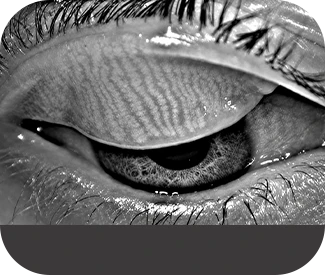
Tear Film Analyzer Meibo - Scan
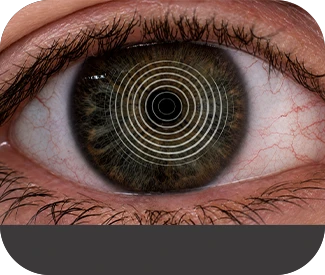
Tear Film Analyzer R - Scan
Dry Eye Diagnostic Equipment
Tear Film Analyzer (Keratograph 5M)
Comprehensive analysis of dry eye parameters without the need for fluorescein dye instillation.
- Computerized corneal topography
- Meibomian gland imaging
- Tear film break-up time test
- Tear meniscus height
- Lipid layer dynamics video
- Aqueous layer dynamics video
- Pupillary autonomic response test
- Corneal hyperemia grading
Dry Eye Treatment Laser
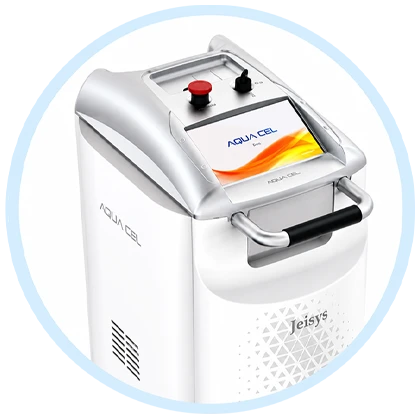
- 01
Suppress peri-eyelid bacterial growth
- 02
Stimulate Meibomian gland secretion
- 03
Reduce eyelid inflammation
- 04
Address root cause of dry eye

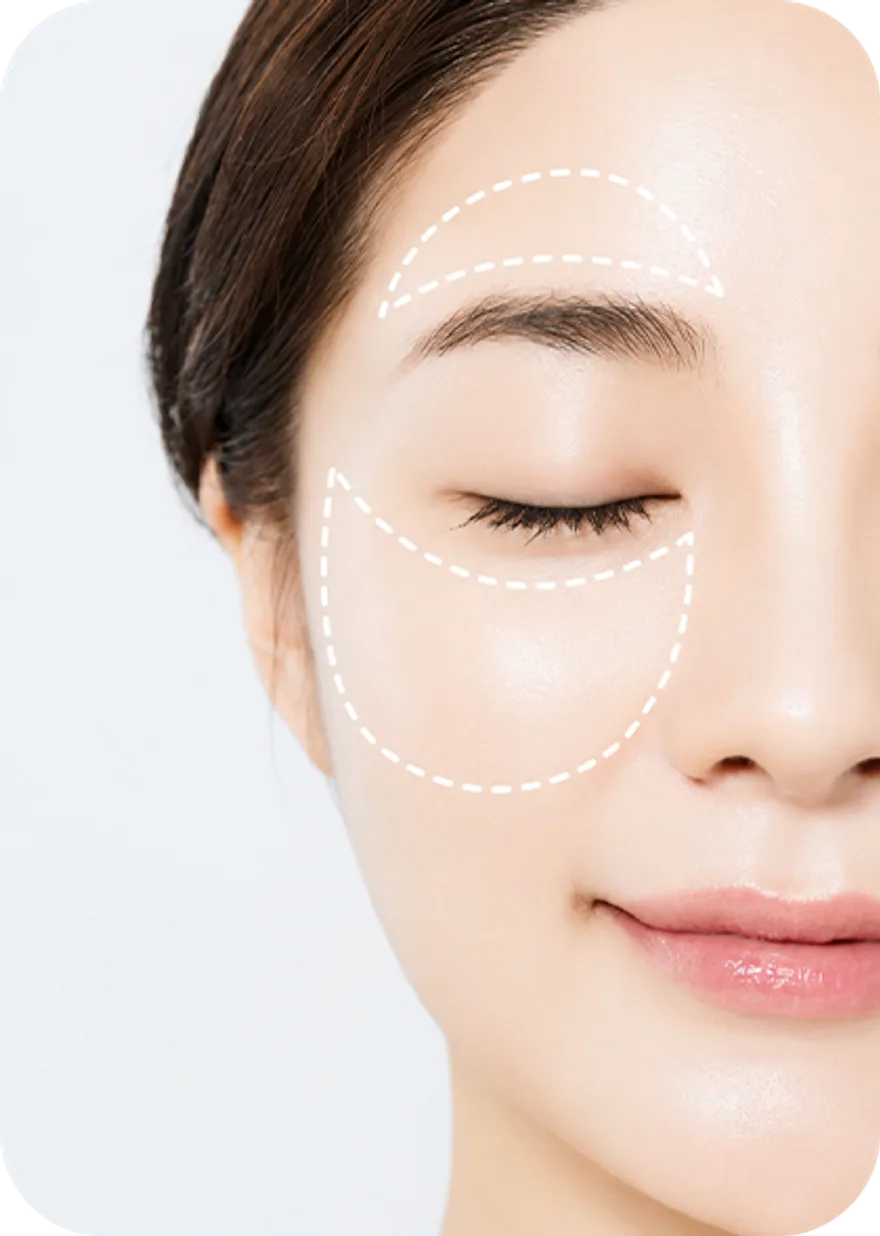
Treating the root cause of dry eye with IPL Therapy
AQUA CEL IPL is an ophthalmology-dedicated IPL using 590nm wavelength light to improve Meibomian gland dysfunction, treat vascular inflammation and abnormal vasodilation. It is effective for dry eye and blepharitis, and also helps with chalazion, stye, and skin tone.
AQUA CEL IPL delivers high heat of approximately 70°C at once to the skin surface, easily opening blocked Meibomian gland orifices. Through normal Meibomian secretion flow, patients see improvement and benefit from reduced eyelid inflammation. Unless the Meibomian glands are completely lost, IPL laser treatment opens the orifices, providing a refreshed and comfortable feeling.
Over 80% of chronic dry eye is MGD
Meibomian Gland Dysfunction (MGD: Meibomian gland dysfunction) is the leading cause that accounts for over 80% of dry eye patients. The Meibomian glands in the eyelids secrete lipids that keep the tear film healthy and prevent rapid evaporation. When the glands are not properly cleansed, secretions accumulate, dysfunction develops, and tear production often becomes insufficient — leading to severe dry eye symptoms. Staphylococcal blepharitis may sometimes cause secondary corneal lesions involving corneal infiltration.
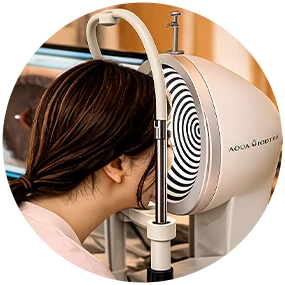
Dry eye examination 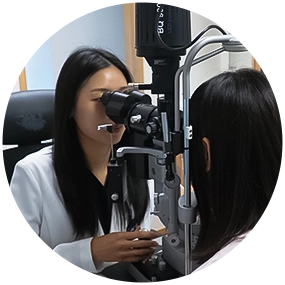
Physician consultation 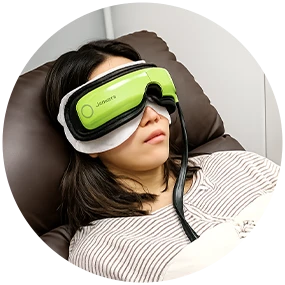
Eye mask warm compressand periocular massage 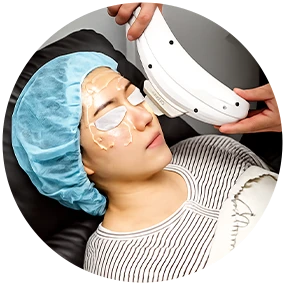
IPL laser treatmentperiocular vascular stimulation 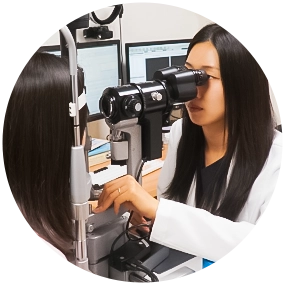
Lid squeezingclearing melted secretions


